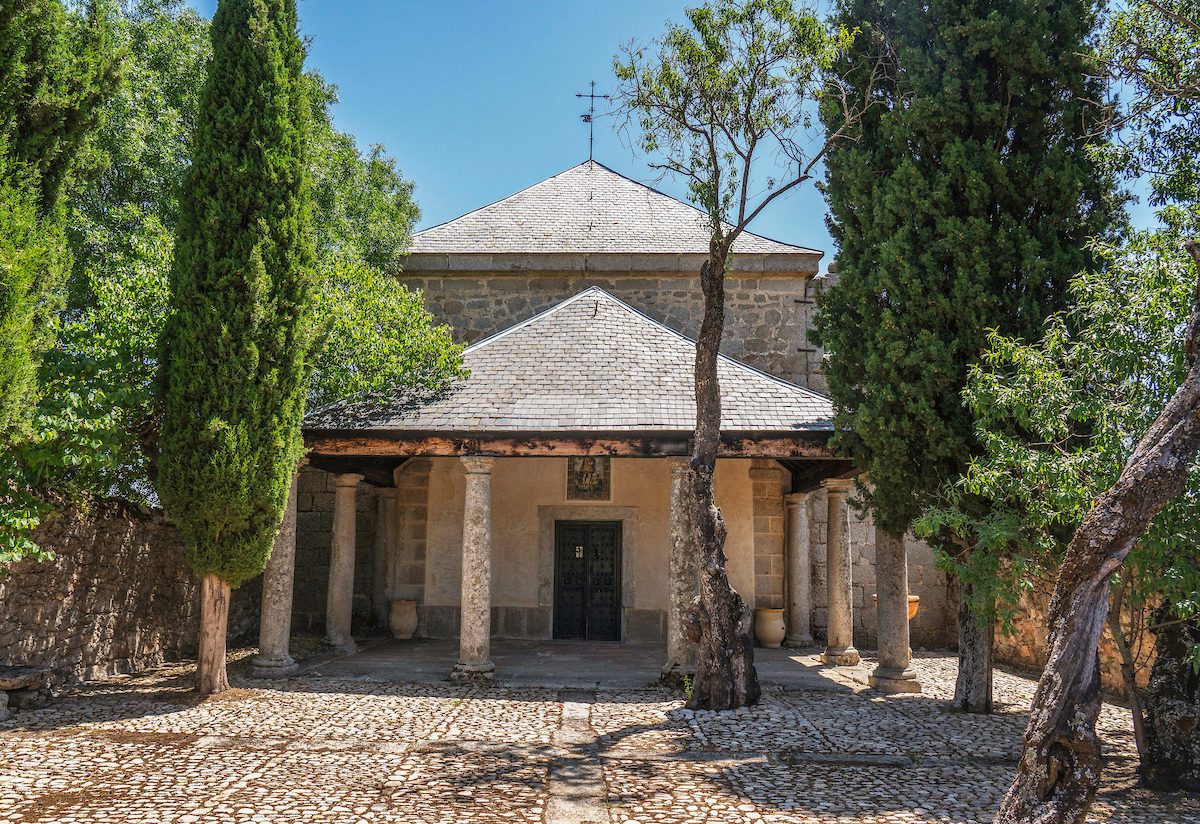
the chapel
The current chapel of La Fresneda originated from the old church of San Juan de La Fresneda, a medieval structure whose history is closely linked to the transformation of the site initiated by Philip II in the 16th century. As part of this project, the monarch ordered the remodeling of the church, preserving its original apse and replacing the main nave with an elegant atrium—a feature traditionally attributed to Juan de Herrera, the architect of the Monastery of El Escorial.
To integrate the church into his new country residence, Philip II negotiated with the Archbishopric of Toledo and the Holy See to have the building’s status as a parish church revoked, thereby incorporating it into the palace complex. Despite this transformation, the chapel has continuously maintained its religious function for over five centuries, standing as one of the few spaces of its kind to have preserved active worship from its inception to the present day.
Throughout its history, the chapel has been the subject of various interventions and acts of patronage. Notable among these is the 19th-century restoration—presented as a gift to Queen Isabella II for her birthday—which helped preserve this valuable historical heritage.
Today, the chapel remains one of La Fresneda’s most emblematic and unique landmarks. Its architecture, profound historical significance, and the continuity of its religious tradition make it an essential part of the legacy of this extraordinary site.
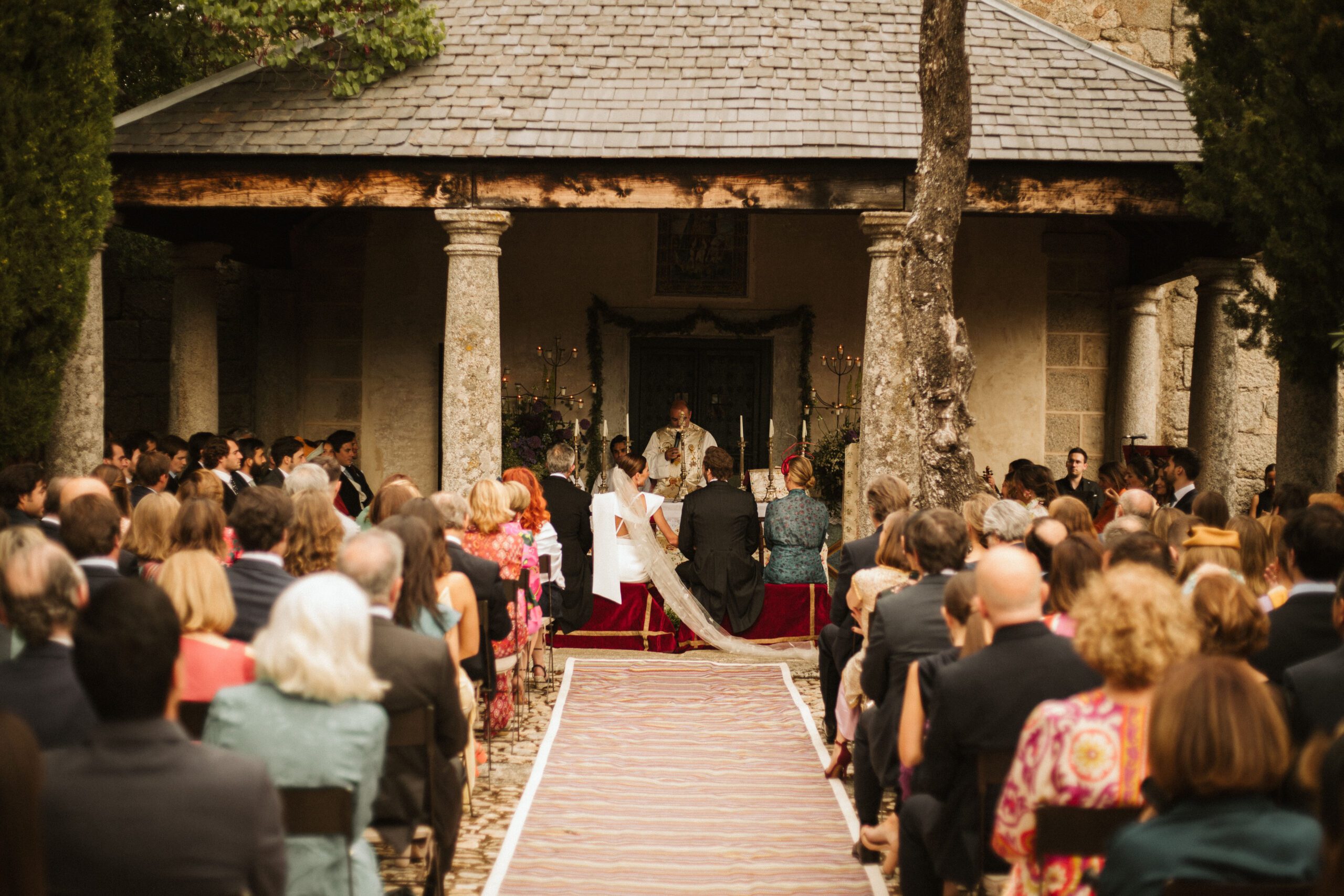
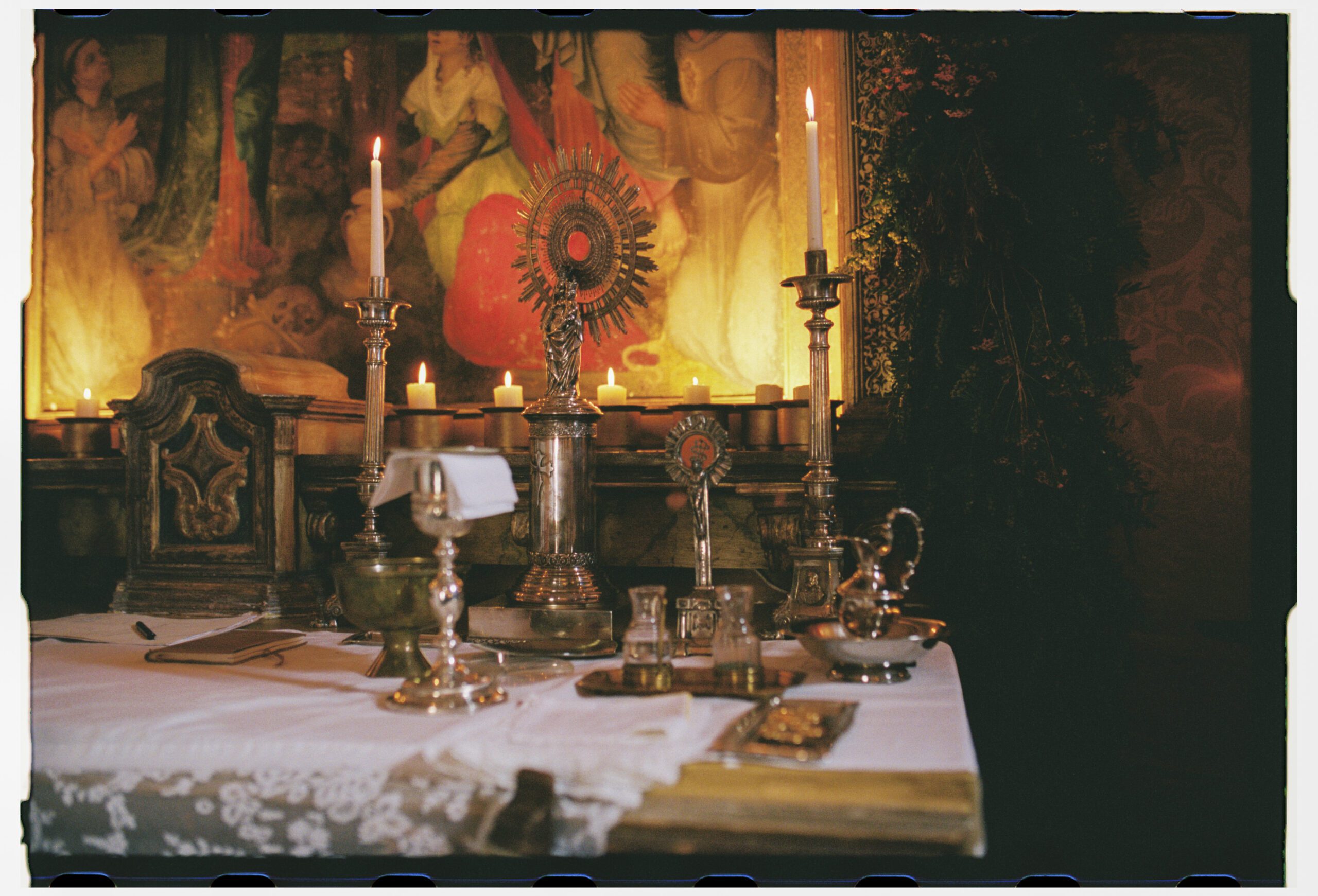
Actualmente el ovispado no permite bodas que no sean de la familia, pero sí se puede celebrar misa.
locations
history
Hosting an event at La Granjilla is not merely choosing a venue; it is choosing a historical setting that lends depth and authority.
View more